Pinball is an arcade game that combines reflexes, observation skills, and ball control on an inclined table. Players use levers to keep the ball in the scoring area, aiming to hit targets and try to achieve the highest total score before their turn ends. When learning about pinball...B52Club To play, you should understand the operating mechanism, scoring system, and features of the version you are using. This is fundamental to a more understandable experience and helps avoid confusion between recreational pinball and games involving betting, if any.
What makes pinball so appealing?
Unlike games primarily based on choosing outcomes or predicting results, pinball requires players to directly interact with the ball's movement. The ball constantly collides with parts of the table, changing direction and moving due to gravity. Players must react at the right moment to keep the ball in play. With B52Club pinball, the table layout and controls may vary depending on the version, so it's necessary to observe the actual interface before starting.
Game board and main components
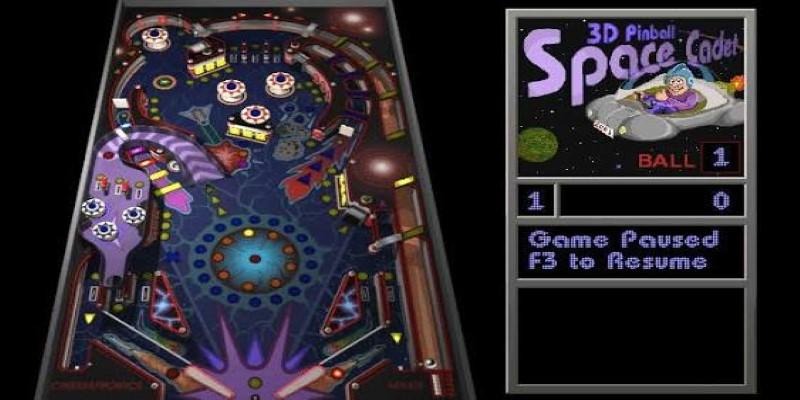
A traditional pinball table typically has two levers at the bottom, bumpers that provide rebound, scoring targets, and a ball track. The ball is launched onto the table via the launch mechanism, then travels between the obstacles. Each component can serve a specific function, such as changing the ball's direction or awarding points upon contact. Not all versions have ramps, landing targets, or bonus zones, so players need to familiarize themselves with the specific layout rather than assuming all tables are the same.
The mechanism of ball movement
The ball is affected by gravity and impact forces, causing its trajectory to constantly change after each contact with the bumper or table edge. Therefore, the same action doesn't necessarily produce the exact same trajectory in every situation. Players need to observe the speed, direction, and position of the ball before deciding to control the paddle. Understanding this mechanism helps you react more purposefully, but it doesn't mean you can completely control the movement or guarantee the ball will always be in the scoring area.
A guide to controlling a pinball for beginners.
To get acquainted with pinball B52 Players should start with the basics instead of trying to score high on the first turn. The steps typically involve launching the ball, controlling the lever, and tracking the ball's position as it moves across the table. Depending on the version, controls may be used with the keyboard, mouse, or touchpad. Check the on-screen instructions before playing to understand the exact controls, the number of turns allowed, and the conditions for ending a game.
Throw the ball into the game table.
In many pinball games, players use a launch lever to propel the ball from the starting slot into the main area. The launch force can be adjusted by holding or releasing a button, but the specific operation depends on the game's design. Once the ball is in the game, you need to quickly observe its trajectory to prepare for the next move. It shouldn't be assumed that the strongest launch force always produces the best result, as effectiveness also depends on the table layout and the physics of each version.
Use the lever at the right time.
The two levers at the bottom are crucial for returning the ball to the top of the table. If activated too early, the levers may already be in the raised position when the ball hits, resulting in an ineffective bounce. Conversely, the correct timing as the ball approaches the levers can help you get the ball onto the table and continue scoring. Beginners should focus on tracking the ball rather than pressing repeatedly, as uncontrolled movements can reduce your ability to react to unexpected situations.
Track the remaining turns.
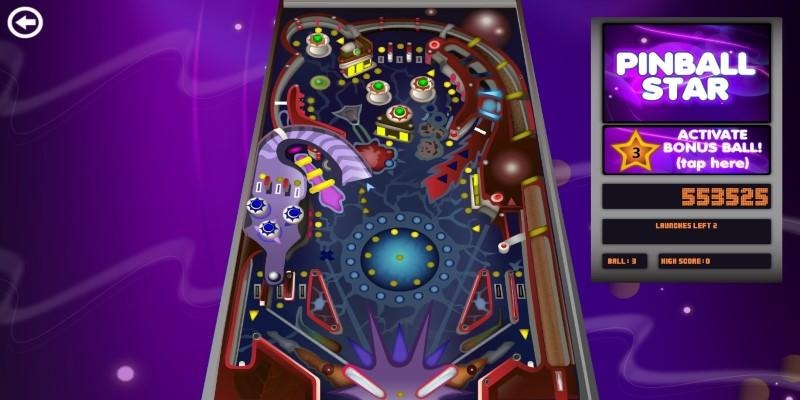
Many arcade pinball games have a limit on the number of balls per round, usually three, but this number isn't a mandatory rule for every version. When a ball lands in the escape area at the bottom, that turn can end, and the player moves on to the next ball if there are still turns remaining. You should observe the information board to see the number of remaining balls, current score, and any special conditions. Monitoring these indicators helps avoid confusion about the progress and when the round ends.
How to score points and identify targets on the table.
Points in pinball are typically awarded when the ball hits designated scoring areas or completes a specific task. The value of each goal can vary depending on the table; some versions even offer bonus points for completing sequences of actions. When playing pinball at B52Club, familiarize yourself with the scoring system published in the game to determine which goals are noteworthy. Do not apply the scoring system of another pinball game without confirming that the version you are using shares the same rules.
Bumper and impact points
Bumpers are typically parts of the ball that can deflect it in a different direction upon impact. In many games, a ball hitting a bumper awards points and alters its speed or trajectory. When a ball passes through an area with many bumpers, players can score multiple points in a short period. However, the direction of the bounce after each impact is difficult to completely control. Therefore, prioritize tracking the ball's position and preparing for the next situation rather than focusing solely on the points just earned.
Drop target and ball trajectory
Some pinball tables feature drop targets, ramps, or lanes. Drop targets are typically triggered upon ball impact, while ramps can move the ball to different areas of the table. In versions with mission-based features, completing a group of targets can award bonus points or trigger special status effects. However, not all tables have these mechanisms. Players need to consult the specific version's instructions to understand which targets count towards points and what conditions must be met to receive rewards.
Multipliers and bonus points
Some pinball games employ multipliers, allowing points to increase when players fulfill certain conditions. For example, triggering a group of lights or a target can increase the multiplier for a period of time. This mechanism doesn't appear in every version, and the activation method may vary. Before attempting to accumulate points, identify the payout conditions and when the multiplier is applied. This will help you understand the score more accurately without relying on guesswork.
Conclude
Pinball B52Club is a worthwhile topic to explore if you want to understand the ball control mechanics, the functions of the table components, and how scoring works in this arcade game. To learn effectively, start with the ball launching technique, practice using the trigger, and familiarize yourself with the specific rules of each version. Observation skills can help minimize inaccurate actions, but they don't guarantee success in every round. If the game involves betting, check the participation conditions and proactively limit your time and budget.


